
Water is life, but safe and clean water is becoming harder to access due to urbanization, industrial growth, and pollution. In India, untreated water leads to serious health risks, waterborne diseases, and environmental damage. That’s why Water Treatment Plants (WTPs) play a vital role.
If you are searching for a trusted water treatment plant manufacturer and supplier in India, this guide will help you understand everything – from the types of plants to how they work, their benefits, and why choosing the right company like Chhaya Industries makes a big difference.
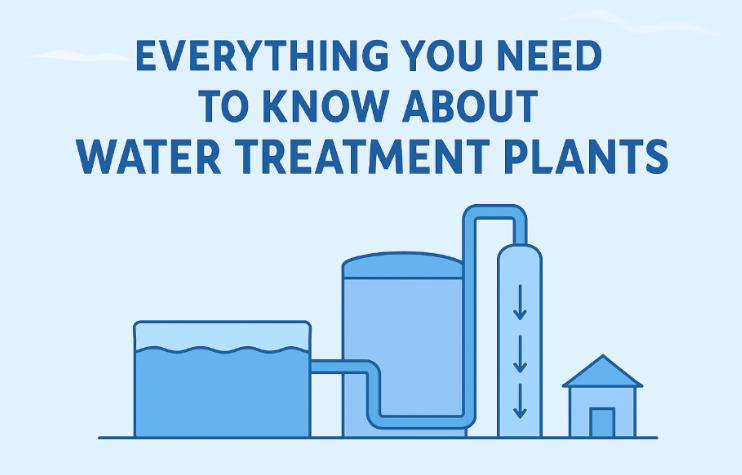
A Water Treatment Plant (WTP) is a system designed to remove impurities, contaminants, and harmful particles from raw water, making it safe for drinking, industrial use, or discharge into the environment.
Think of it as a safety shield that ensures the water you drink, use in factories, or release into nature is clean and compliant with quality standards.
This process may vary depending on whether it is a domestic WTP, an industrial effluent treatment plant, or a sewage treatment plant.
Not all water treatment plants are the same. The right water treatment plant manufacturer and supplier in India should provide:
This is where Chhaya Industries stands out. With years of expertise in sewage treatment plants (STP), effluent treatment plants (ETP), reverse osmosis (RO) systems, and organic waste converters, Chhaya Industries is a trusted name across India.
India’s demand for clean water is rising rapidly. From housing societies in Mumbai to industries in Delhi, Chennai, and Bangalore, water treatment plants are no longer optional—they are essential.
With growing government regulations and increasing environmental awareness, choosing a reliable manufacturer and supplier today means you are future-ready for tomorrow.
They ensure safe drinking water, protect the environment, and help industries and housing societies comply with government regulations.
Pharmaceutical, textile, food & beverages, hotels, IT parks, housing societies, and more.
Yes, especially in STPs and ETPs, treated water can be reused for gardening, flushing, and cooling towers, saving costs and conserving water.
Look for experience, technology, certifications, after-sales service, and customer reviews. Companies like Chhaya Industries provide end-to-end solutions.
It depends on size, capacity, and purpose (domestic, commercial, or industrial). Consulting a trusted supplier like Chhaya Industries ensures cost-effective options.
Water is one of India’s most valuable resources, and protecting it is everyone’s responsibility. A water treatment plant is not just about compliance—it’s about health, sustainability, and saving future generations.
If you are looking for a water treatment plant manufacturer and supplier in India, connect with Chhaya Industries today for expert solutions tailored to your needs.
For any queries, feel free to contact Chhaya Industry. Whether you’re looking for product details, service support, or partnership opportunities — our team is here to help.
 Call Now


 Monday - Saturday 9:00 Am - 6:00 Pm
  Download Brochure