What is a Water Treatment Plant? A Complete Guide for India
Water is life, but not all water is safe to drink or use directly. Across India, raw water from rivers, lakes, groundwater, or municipal sources often contains dirt, harmful bacteria, chemicals, and dissolved salts. This is where a Water Treatment Plant (WTP) plays a crucial role.
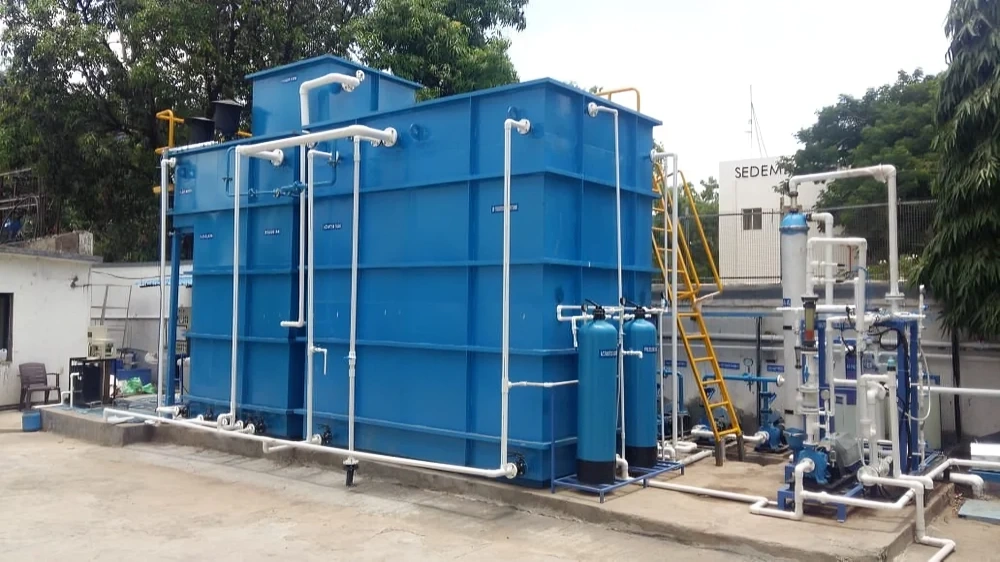
A Water Treatment Plant is a specialized facility that purifies raw water and makes it safe for drinking, industrial use, and other applications. By using different physical, chemical, and biological processes, these plants remove impurities and ensure the water meets quality and safety standards.
Companies like Chhaya Industries, a trusted water treatment plant manufacturer and supplier in India, design customized solutions for housing societies, industries, and municipalities.
Why Do We Need Water Treatment Plants in India?
- - Rising population and urbanization increase demand for clean water.
- - Pollution of rivers, lakes, and groundwater makes raw water unsafe.
- - Industries like pharmaceuticals, textiles, food & beverages, and power plants need high-quality water for operations.
- - Government regulations (CPCB, SPCB, BIS standards) require industries to treat and reuse water.
Without proper water treatment:
- - People face waterborne diseases (cholera, typhoid, diarrhea).
- - Industries risk legal penalties for pollution.
- - Communities suffer from scarcity and poor sanitation.
That’s why water treatment plants are essential for a healthier, more sustainable India.
How Does a Water Treatment Plant Work? (Step by Step)
- Collection & Intake – Raw water is collected from rivers, lakes, wells, borewells, or municipal pipelines.
- Screening – Large debris like plastic, wood, leaves, and stones are removed using screens.
- Coagulation & Flocculation – Chemicals are added to bind fine dirt into clumps (flocs), then mixed gently to grow bigger.
- Sedimentation – Heavy flocs settle at the bottom, clear water rises to the top.
- Filtration – Water passes through sand, gravel, and activated carbon to remove smaller particles, color, and odor.
- Disinfection – Chlorine, ozone, or UV light kills harmful microorganisms.
- Storage & Distribution – Clean water is stored and supplied to households, industries, and complexes.
Types of Water Treatment Plants in India
- Drinking Water Treatment Plants – Purify raw water for domestic & municipal use.
- Industrial Water Treatment Plants – Provide clean water for pharma, textile, chemical, and power industries.
- Sewage & Effluent Treatment Plants (STP & ETP) – Treat wastewater from households or industries before reuse/discharge.
- Desalination Plants – Convert seawater into freshwater, useful in coastal areas.
Benefits of Water Treatment Plants
- ✔ Safe Drinking Water – Prevents diseases & promotes health.
- ✔ Compliance with Laws – Meets CPCB & SPCB guidelines.
- ✔ Cost Saving – Enables reuse, reduces fresh water demand.
- ✔ Environmental Protection – Prevents untreated discharge.
- ✔ Sustainability – Conserves resources for the future.
Role of Manufacturers & Suppliers in India
Choosing the right water treatment plant manufacturer and supplier in India is critical. A reliable company provides:
- Customized design as per raw water quality.
- Energy-efficient and eco-friendly solutions.
- After-sales service, AMC & O&M support.
- Compliance with Indian pollution control norms.
Chhaya Industries is one such trusted manufacturer, offering advanced WTP solutions for residential, industrial, and municipal projects across India.
FAQs About Water Treatment Plants
Q1: What is the difference between a WTP and an STP?
A WTP purifies raw water for drinking/industrial use, while a STP treats sewage for reuse or discharge.
Q2: How long does a water treatment plant last?
With proper maintenance, a WTP can last 15–20 years or more.
Q3: Is treated water safe to drink?
Yes, if the WTP follows BIS & WHO guidelines, the water is completely safe.
Q4: How much does a water treatment plant cost in India?
Small plants may cost a few lakhs, while large industrial WTPs can cost crores depending on capacity & technology.
Q5: Can treated water be reused?
Yes, industries & societies reuse treated water for gardening, cooling towers, and flushing, saving freshwater demand.
Conclusion
A Water Treatment Plant is not just a machine – it is the backbone of safe water supply, industrial growth, and environmental protection in India. With increasing pollution and scarcity, WTPs have become essential for every city, industry, and community.
Partnering with a trusted water treatment plant manufacturer and supplier in India like Chhaya Industries ensures high-quality, eco-friendly, and reliable water treatment solutions tailored to your needs.

 Call Now


 Monday - Saturday 9:00 Am - 6:00 Pm
  Download Brochure